
Describe the property
Send the location, symptoms, equipment and access details. State whether the work is a repair, replacement or planned project.
Need plumbing help in Amherstburg? Tell us about the leak, blocked drain, fixture or water heater. A responding provider will confirm coverage and availability before booking.
Get A Free QuoteCompare tank or tankless capacity, access, venting, and connections. If the property has a private well, water test results may affect equipment selection and treatment planning.
View scopeRecurring clogs may call for cabling, jetting, or camera inspection. Pipe material, line condition, blockage location, and a septic connection help determine the scope.
View scopeDocument symptoms and visible pipe material, then compare a partial replacement with a PEX or copper repipe. Plan wall access and verify permit and inspection requirements.
View scopePlan fixture dimensions and supply, drain, and vent connections. Additions need rough-in coordination before walls or cabinetry are built; older lines may need adaptation.
View scopePhotograph moisture and track when it appears. Acoustic checks, pressure testing, and isolation of long well-line sections can help narrow the search before finishes are opened.
View scopeCompare pump and basin capacity with observed inflow and cycling. Battery backup and backwater valves address different risks, so identify the source of water first.
View scopeUse property-specific water tests to compare softener sizing and filtration stages. Private-well results may call for separate consideration of sediment, iron, sulphur, or bacteria.
View scopeWater treatment choices should follow test results for the particular property. In Amherstburg, first establish whether the supply is municipal or a private well, then gather a recent water analysis and note household use, existing equipment, and maintenance constraints. If well results show sediment, iron, sulphur, or bacteria, ask how treatment stages are ordered and what each addresses. Compare softener capacity with measured hardness and demand rather than selecting a unit by a general local assumption.
Compare tank or tankless capacity, access, venting, and connections. If the property has a private well, water test results may affect equipment selection and treatment planning. Recurring clogs may call for cabling, jetting, or camera inspection. Pipe material, line condition, blockage location, and a septic connection help determine the scope. Document symptoms and visible pipe material, then compare a partial replacement with a PEX or copper repipe. Plan wall access and verify permit and inspection requirements.
Plan fixture dimensions and supply, drain, and vent connections. Additions need rough-in coordination before walls or cabinetry are built; older lines may need adaptation. Photograph moisture and track when it appears. Acoustic checks, pressure testing, and isolation of long well-line sections can help narrow the search before finishes are opened.
Compare pump and basin capacity with observed inflow and cycling. Battery backup and backwater valves address different risks, so identify the source of water first. Use property-specific water tests to compare softener sizing and filtration stages. Private-well results may call for separate consideration of sediment, iron, sulphur, or bacteria.
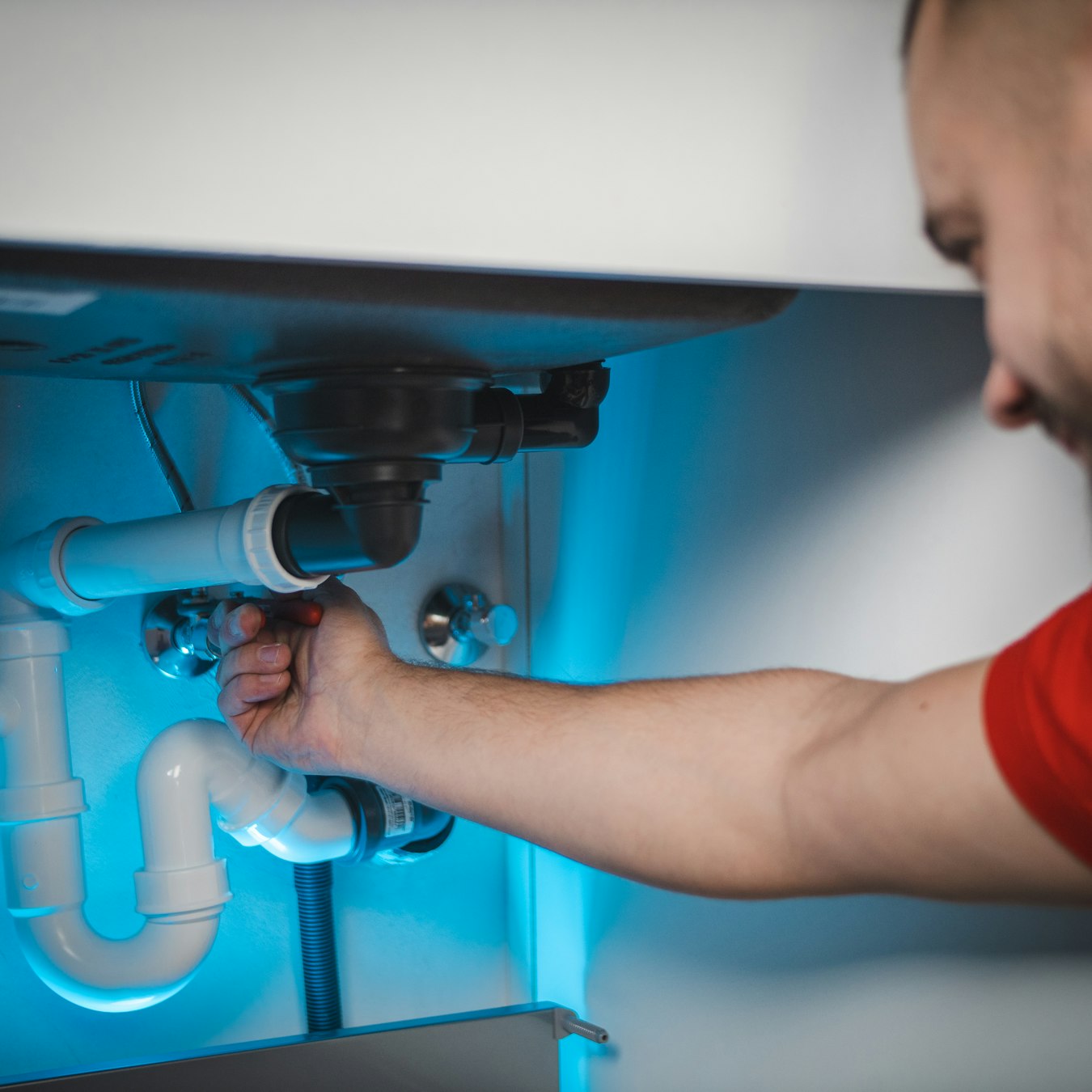
A recurring blockage calls for more than choosing a cleaning method by name. Before arranging drain work in Amherstburg, note which fixtures are affected, how often the problem returns, and whether backups occur at a floor drain or elsewhere. If the line is older tile, clay, or another fragile material, ask how its condition will be checked before cabling or jetting. If the line serves a septic system, include the tank and field in the planning discussion.
Explore this serviceSend the location, symptoms, equipment and access details. State whether the work is a repair, replacement or planned project.
The request is reviewed so the responding provider can clarify the work, property access and service coverage.
Agree the provider identity, qualifications, written scope, pricing and visit window directly. Sending a form does not confirm an appointment.
If the property has a long supply line from a private well, record its approximate route and identify available shutoffs. Ask whether sections can be isolated to locate a loss between the well and house. The length and access points affect how the search is organized and where excavation might be considered.
If the property has a private well, share recent water test results and ask whether hardness, sediment, or other measured conditions affect the heater choice. Confirm whether an anode or upstream treatment is being proposed and why. These checks help distinguish a routine replacement from a project that includes water-treatment work.
If the property drains to a septic tank and field, identify that connection before choosing a cleaning method. Ask where the blockage lies and how the method accounts for the downstream system. The location and condition of the line can change whether cleaning alone is appropriate or further inspection is needed.
If supply lines run behind plaster worth preserving, ask for proposed access locations before work begins. Photograph existing finishes and discuss how openings will be arranged for later patching. The pipe route and condition determine whether limited access is practical or broader opening is needed.
If a well test shows sediment and iron, ask how filtration stages are arranged before softening and why. Request a simple flow diagram showing each stage and the contaminant it is intended to address. Correct sequencing affects equipment performance and helps you compare proposals on more than the number of components.
Use the form to describe the property, the symptoms and the work requested. For McGregor, River Canard, Windsor, LaSalle, include your postal code so local coverage can be checked.
Select a listed location for guidance or use the inquiry form. Provide the property location, equipment and access details so the provider can review the request.